
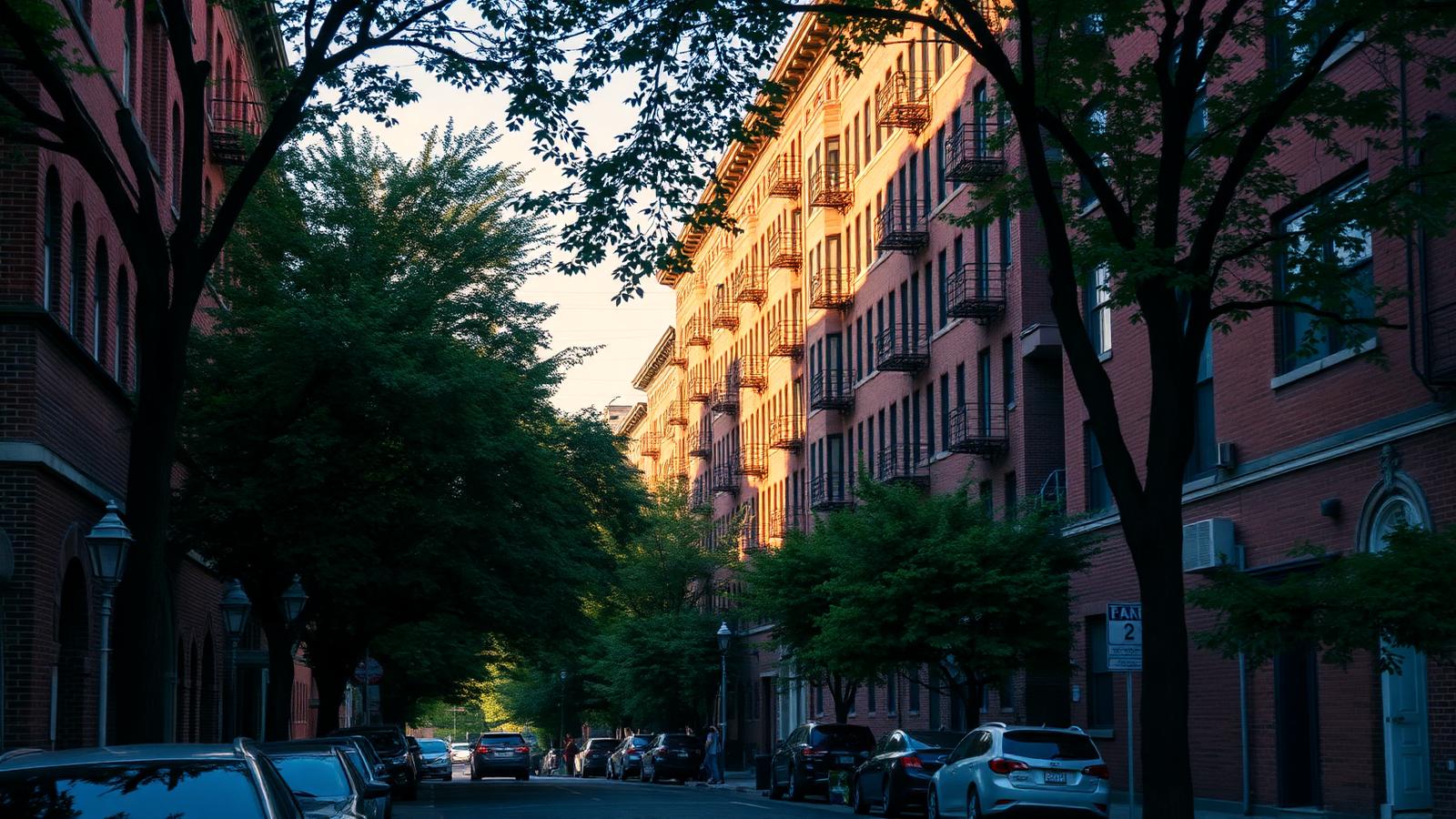
Parking is your biggest challenge
SDOT issues temporary no-parking permits to reserve curb space for moving trucks — apply 5+ business days ahead via the SDOT portal, $50–$80 depending on duration. Without one, expect to circle blocks or double-park, which becomes a long-carry fee. Loading zones near Pike-Pine are time-restricted, and you can be ticketed during peak retail hours even with a permit if you go over time.
Walk-ups everywhere — measure your furniture
Capitol Hill's housing stock skews old. Pre-war buildings on 15th and Summit have narrow stairwells that don't accept queen box springs without disassembly, and L-shaped landings can refuse a standard sofa entirely. Measure your largest pieces (sofa diagonals, mattress frame, china hutch) and ask your prospective building manager for stairwell and doorway dimensions before move day.
Sub-neighborhoods within Capitol Hill
Capitol Hill isn't one place — it's at least five, each with different move logistics:
- Pike-Pine: dense, busy, retail-heavy. Worst parking.
- 15th Ave E: walkable, mostly walk-ups, narrow alleys.
- North Capitol Hill: single-family homes, tree-lined, easier truck access.
- Summit: brownstones and mid-century buildings; mixed access.
- Stevens: quietest residential pocket, easiest of the five to move into.
The best (and worst) times to move into Capitol Hill
Worst: last Saturday of any month, especially August. Best: weekday morning in January or early October. Capitol Hill turns over heavily with the rental market, so end-of-month dates compete for both crews and curb space. See our best time to move guide for the full seasonal breakdown.
Building access tips for old vs new buildings
For older brownstones: confirm whether the building requires Certificate of Insurance from your mover (most do), reserve the freight elevator if one exists, and confirm move hours — many buildings restrict moves to weekday business hours only. For newer high-rises along Broadway and Pike: reserve the elevator with the front desk, expect a 2–4 hour window, and bring extra payment for the building's required moving deposit.
Cost of living context
Studios in Capitol Hill run $1,500–$2,100. 1BRs run $1,900–$2,800. 2BR shares are the typical move-in scenario at $2,800–$4,200 total. Budget your moving costs against the Seattle moving costs breakdown — a Capitol Hill walk-up move runs 10–20% higher than a flat-access equivalent because of stairs and long-carry time.
Where to park your moving truck — block by block
Best blocks: 19th–22nd Ave E, residential side streets off 15th, anywhere east of 17th in North Capitol Hill. Avoid: Broadway between Pine and Roy (24-hour metered, fines stack fast), Pike-Pine retail core during retail hours, anywhere within one block of Cal Anderson Park on event days. A permitted loading zone is almost always worth $80.
What we'd tell our own family moving here
Hire Seattle local movers who've done Capitol Hill before. Pull your SDOT permit two weeks out. Measure your three largest pieces and the staircase. Skip the last Saturday of the month even if it costs you a hotel night. And use a real local moving service — if you're moving yourself, budget extra time for parking and stairs. How pricing works covers what a Capitol Hill quote should actually include.


